
India Destination Details
India is a country that invites people to experience life through contrast. Silence and colour, stillness and movement, tradition and change all exist side by side. Travelling through India is rarely just about visiting a place. It is about how the place makes you feel, how it changes your pace and how it reshapes your view of the world. Some destinations calm the mind, others lift the spirit, and a few manage to do both at once. The destinations below stand out for very different reasons. Each offers a distinct emotional and physical experience, yet all share one quality. They create moments that stay with visitors long after the journey ends. From high mountain deserts to tropical islands, from spiritual river towns to ancient stone cities, these places reveal India at its most powerful and heartfelt.
1. Leh and Ladakh
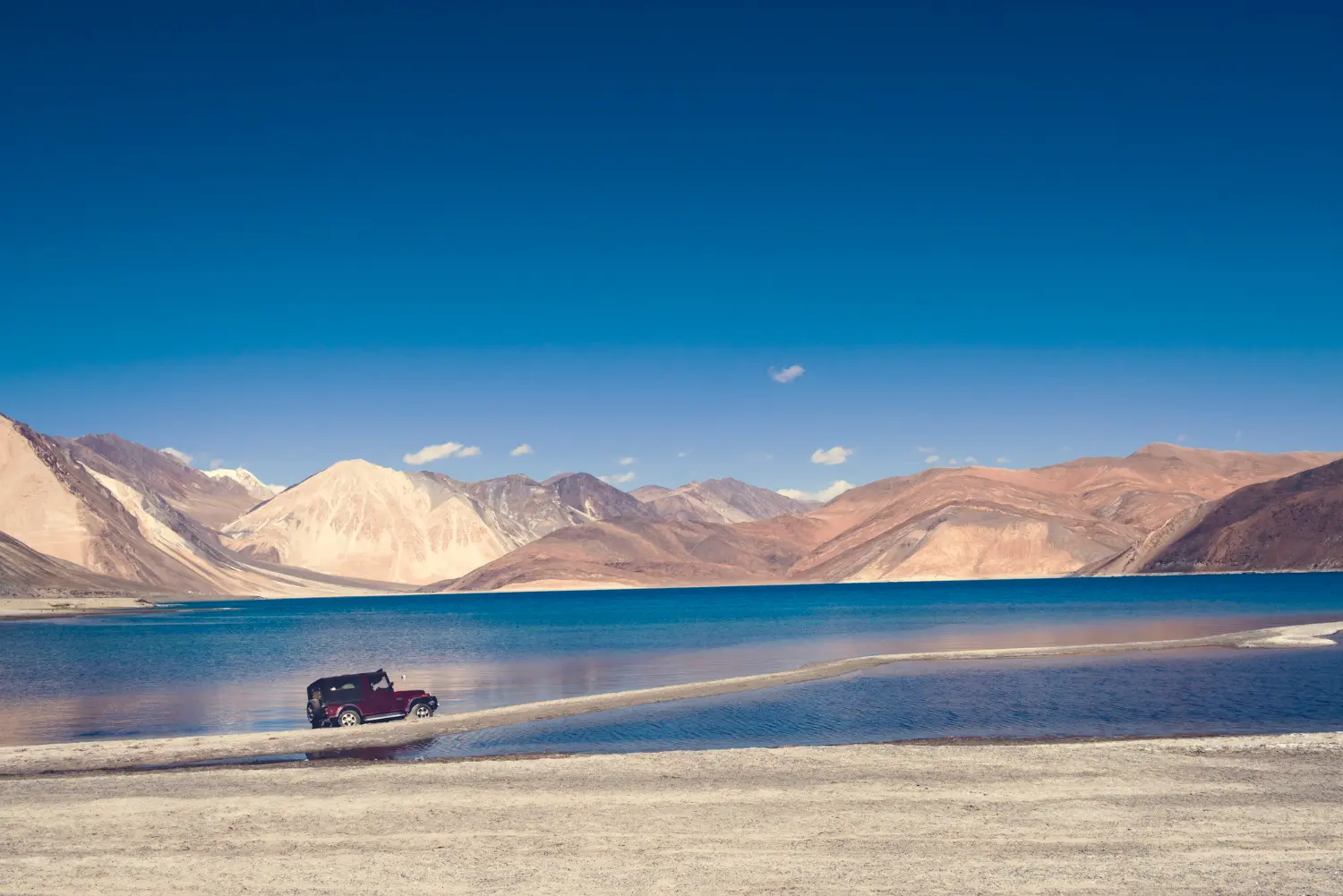
Leh and Ladakh feel like a journey to the edge of the familiar world. High in the Himalayas, this region is defined by wide skies, sharp mountain ridges and valleys that stretch out in quiet openness. The light feels different here. The air is thin and clear, and the silence has weight. Many travellers arrive feeling small in the face of the landscape, yet they leave with a sense of calm that is hard to describe.
The town of Leh is the gateway to the region. It balances daily life with deep tradition. Markets sell local crafts, cafés serve warm food to tired travellers, and prayer flags move gently in the wind. Monasteries sit above the town and across the surrounding hills, offering spaces for reflection that feel timeless. When monks chant in the early morning, the sound carries far across the empty land.
Beyond Leh, the wider Ladakh region opens into mountain passes, deserts and remote villages. Roads wind through valleys where rivers cut silver lines through the brown earth. Travellers often stop simply to listen to the wind or to watch clouds drift across the peaks. There is a strong sense that nature sets the rhythm here, not people.
What makes Ladakh truly special is how life adapts to this harsh environment. Locals live with quiet resilience, shaped by cold winters and long distances. Visitors often speak of gaining perspective here. Every day worries feel smaller against the vastness of the land. Time slows down, and attention shifts inward. Ladakh does not overwhelm with noise or colour. It speaks through space, stillness and strength.
2. Rishikesh, Uttarakhand
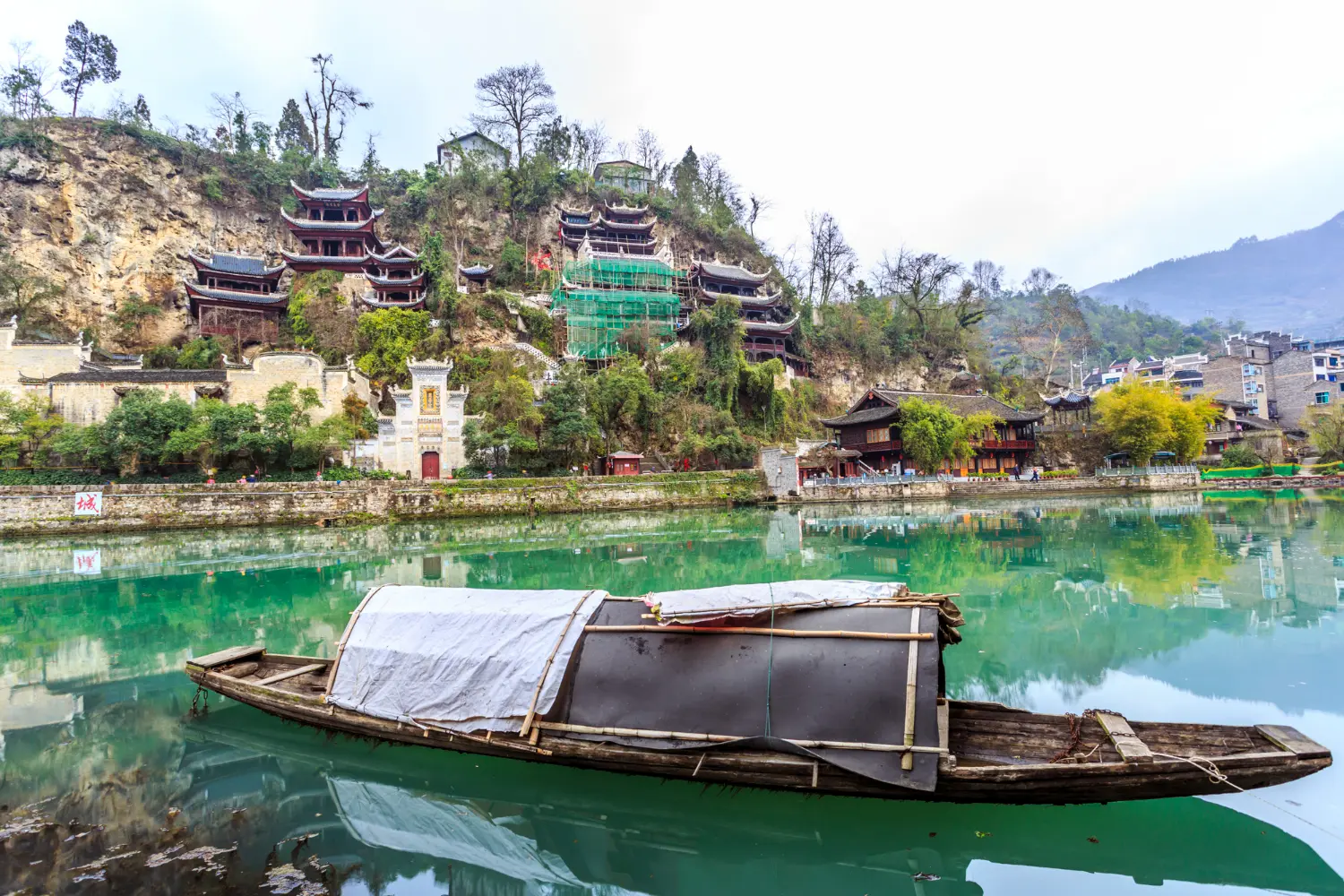
Rishikesh sits where the River Ganges descends from the Himalayas into the plains. It is a town shaped equally by water, faith and movement. For many, Rishikesh represents balance. It is both a spiritual centre and a place of physical challenge. The river moves fast and wide here, carrying with it centuries of belief and daily life.
Mornings in Rishikesh often begin with prayer. The sound of bells, chanting and flowing water fills the air as people gather along the riverbanks. Visitors are welcome to observe or to take part, and many find the experience unexpectedly calming. The rituals are simple yet deeply meaningful. They offer a sense of continuity that connects past and present.
At the same time, Rishikesh is alive with energy. White water rafting draws adventure seekers from around the world. Forest trails lead into foothills where the air smells of leaves and earth. Yoga ashrams line the river, offering spaces for stillness, learning and personal growth. Some visitors arrive for a weekend of adventure. Others stay for months, drawn in by the slower rhythm of life.
What makes Rishikesh iconic is the way it brings opposites together without conflict. Silence and sound, meditation and movement, faith and daily routine coexist naturally. People often leave feeling both physically refreshed and mentally lighter. The town does not demand that you change, but it gently invites you to look inward.
3. Andaman Islands
The Andaman Islands feel like a complete contrast to the rest of India. Located far out in the Bay of Bengal, these islands offer a sense of distance not only from cities but from urgency itself. Life here moves to the rhythm of waves and daylight, shaped by tides, weather and small island routines.
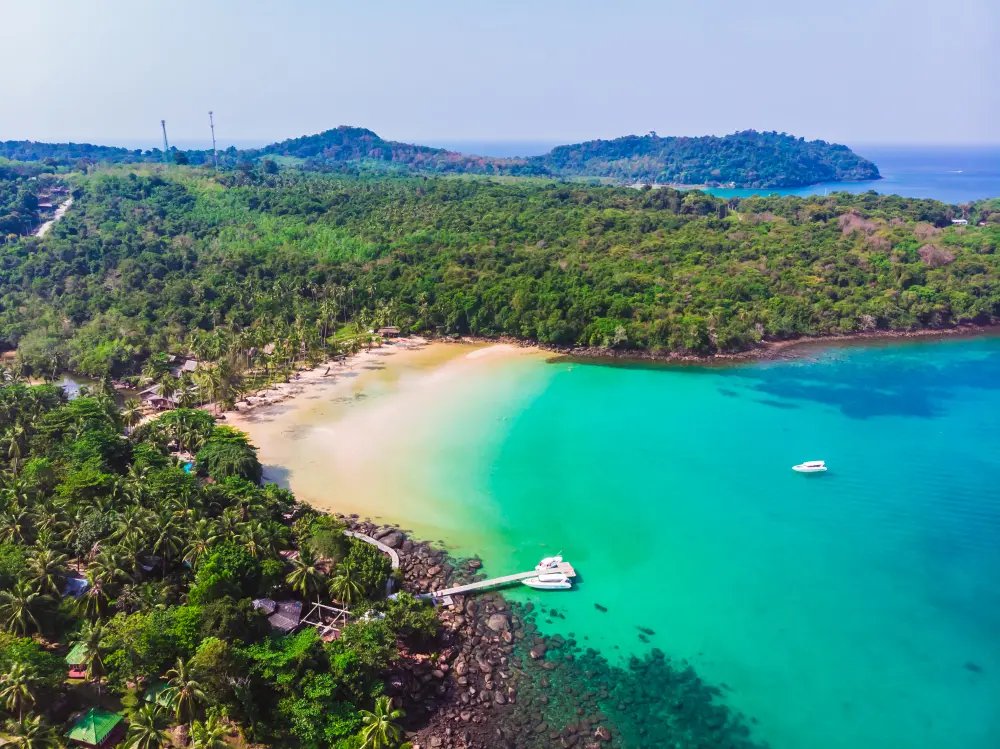
Clear blue water surrounds the islands, revealing coral reefs, tropical fish and quiet beaches that stretch without crowd or noise. The sea is calm enough in many places for gentle snorkelling, and vibrant enough to leave visitors lost in colour beneath the surface. Above water, tall palm trees line the shore, and simple cottages face the ocean.
What defines the Andamans is not luxury but space. Space to breathe, to walk without purpose, to sit without distraction. Evenings are often spent watching the sky change colour as the sun sets into the sea. Conversation becomes softer. Time feels wider. For many visitors, it is the first time in years that they feel truly rested.
There is also a strong human story here. The islands hold reminders of colonial history, preserved in quiet buildings and memorials. Local communities live close to the sea, relying on fishing, farming and tourism. Visitors often speak warmly about the kindness and openness of the people they meet.
The Andaman Islands offer something rare in the modern world. They provide genuine escape without isolation. You feel far away, yet deeply connected to nature and to yourself.
4. Hampi, Karnataka
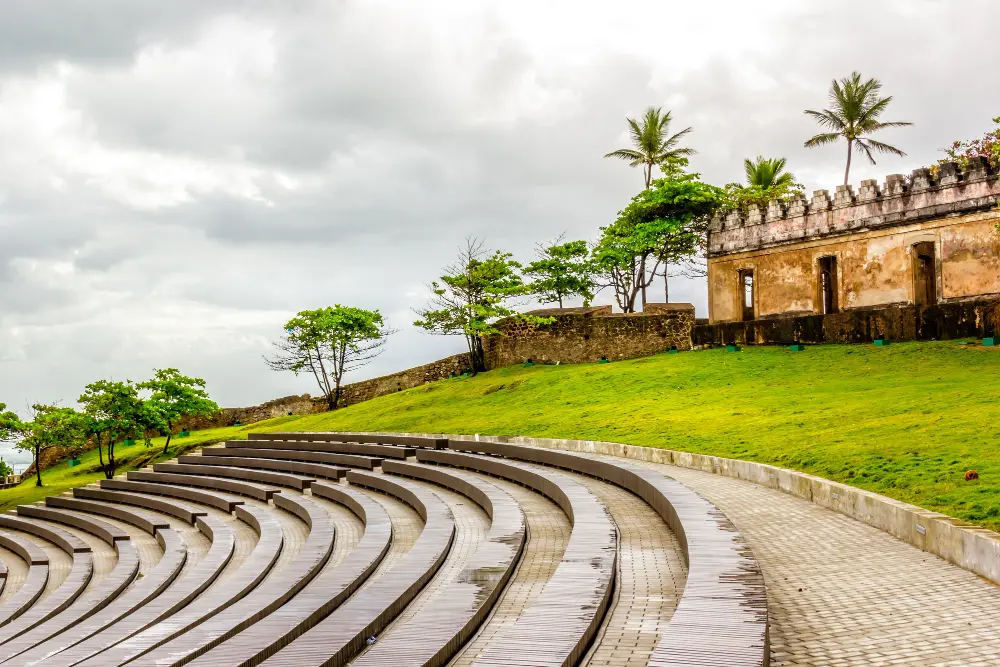
Hampi is one of those places that feels unreal at first sight. Giant stone boulders rise from the land as if placed by hand, while temples, markets and ruins sit scattered across an open landscape. Once the centre of a powerful empire, Hampi now stands as a quiet reminder of both human achievement and the passing of time.
Walking through Hampi feels like stepping back in time. One moment, you pass through an ancient market street lined with pillars. The next time you cross open fields where farmers work among banana trees. Cows wander freely across temple courtyards. The past and the present coexist without tension.
Many visitors climb the surrounding hills at sunrise or sunset. From above, the land stretches out in all directions, dotted with stone structures and winding paths. The view is wide and still, offering a deep sense of space rare in busy modern life.
Hampi encourages slow travel. People wander on foot or bicycle, stopping wherever curiosity leads them. Small cafés serve simple meals. Guesthouses feel like homes rather than hotels. Even the days seem to stretch longer here.
Emotionally, Hampi leaves a strong mark. There is wonder in the scale of the ruins, calm in the open spaces and reflection in the broken stones. Visitors often say it changes how they think about time, success and permanence. It is not only a site to see but a place to feel.
Conclusion:
These destinations show just how wide and varied India truly is. Leh and Ladakh offer silence, strength and space that reshape perspective. Rishikesh blends spiritual calm with physical energy in a way that feels both grounding and uplifting. The Andaman Islands provide rest, beauty and distance from urgency, while Hampi invites reflection through history, space and stillness. Together, they represent the depth of India as a travel experience. Not loud, not rushed, but rich with emotion, story and human connection.